
Daily News
Kuwait bans cash payments in gold trade to boost transparency, curb illegal transactions

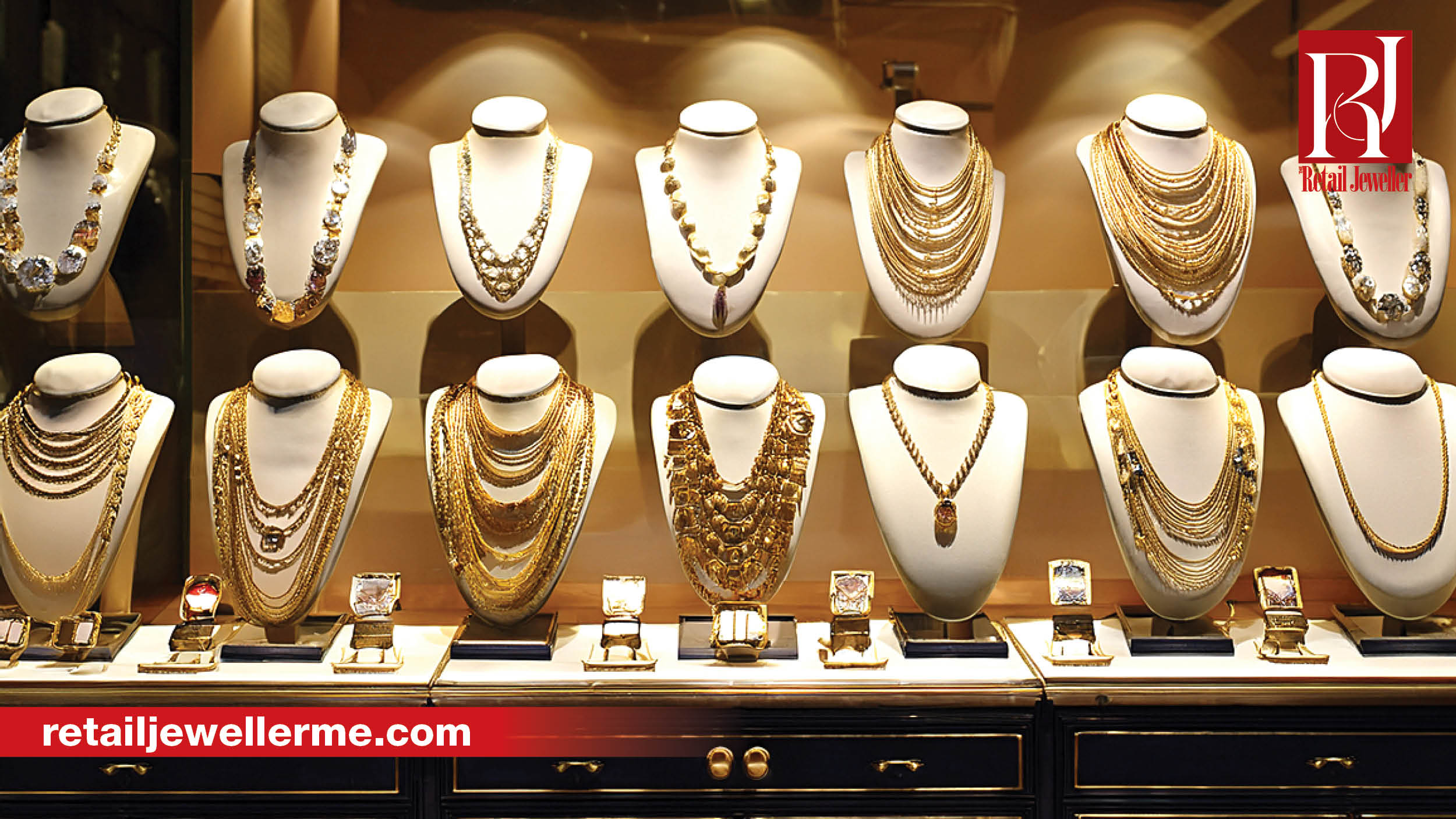
Through this move, the authorities aim to close gaps that could be exploited for opaque dealings, concealed exchanges or undocumented trading activity
Kuwait City: In a decisive move to strengthen transparency and financial integrity in its gold and precious metals sector, Kuwait has banned all cash transactions across the trade. The directive, issued under Ministerial Resolution No. 182 of 2025 by Minister of Commerce and Industry Khalifa Al-Ajil, mandates that all payments for gold, precious metals, and precious stones must be made exclusively through non-cash methods approved by the Central Bank of Kuwait.
The regulation applies to every entity in the value chain — from retailers and wholesalers to workshops and trading companies — marking a major policy shift toward digitized and traceable transactions. The Ministry emphasized that compliance is legally enforceable, with immediate effect.

Gold and precious metals, being high-value commodities, have long been considered susceptible to money laundering and unrecorded transactions. By eliminating cash payments, Kuwait aims to close gaps that could be exploited for illicit or opaque dealings. The initiative aligns with the country’s commitment to the Anti-Money Laundering and Counter-Terrorism Financing Law of 2013, reinforcing Kuwait’s pledge to uphold financial accountability within the sector.
Authorities believe the cashless system will establish clearer transaction records, improve traceability, and bolster confidence among both consumers and international partners.
The Ministry has warned that any establishment found accepting cash for gold or precious metal transactions risks closure and possible legal action. Businesses are expected to immediately align their payment systems with approved digital channels, which may require operational upgrades, particularly for smaller workshops and retailers.
Kuwait’s move brings its gold trade regulations in line with broader Gulf Cooperation Council (GCC) standards. The United Arab Emirates, Saudi Arabia, and Oman have already implemented similar measures to safeguard the integrity of their precious metals markets. Collectively, these initiatives reflect a regional trend toward digital oversight and tighter monitoring of high-value commodity trades — a direction also encouraged by global financial watchdogs.
As the market adapts, retailers and wholesalers are required to review their internal payment protocols, integrate compliant banking systems, and train staff on the new regulations. Further guidance is expected from the Central Bank of Kuwait regarding approved payment platforms and reporting mechanisms, ensuring a smooth transition toward a fully traceable, cashless gold trade.
Retail Jeweller ME News


Nishka Jewellery creates buzz about new store via give-away campaign at Safari Mall, Sharjah

Malabar Gold & Diamonds ropes in cricketer MS Dhoni as brand ambassador

Stars champion luxury jewellery maisons across global appearances

Bahraini designer Nour Shamlou launches her eponymous brand at Paris Haute Couture Week

Charmaleena Fine Jewellery takes the experiential approach for ‘Love Locket’ launch

Karat World Gold & Diamonds expands Dubai presence with new Al Muraqqabat branch

Damas appoints Ananthanarayanan Hariharan as CEO as Titan moves towards majority control

Amaar Jewels acquires Australia-born jeweller Secrets Shhh, rebrands it to ‘Secrets by Amaar’

Kalyan Jewellers grows Middle East footprint, launches second showroom in Fahaheel, Kuwait

Dubai Jewellery Group, Jewellers Association Jaipur sign MoU to boost strategic partnership

The Retail Jeweller World Dubai Forum 2021 shines a spotlight on the industry’s brightest achievements

Agile Leadership: What Kept the Boat Floating

A decade of home: Staying ahead in the game

ROI & GMROI : True Measure of Financial Dynamics in Retail
