
Daily News
How UAE designer Fatma Al Bannai built narrative-led fine jewellery brand Baguette Design

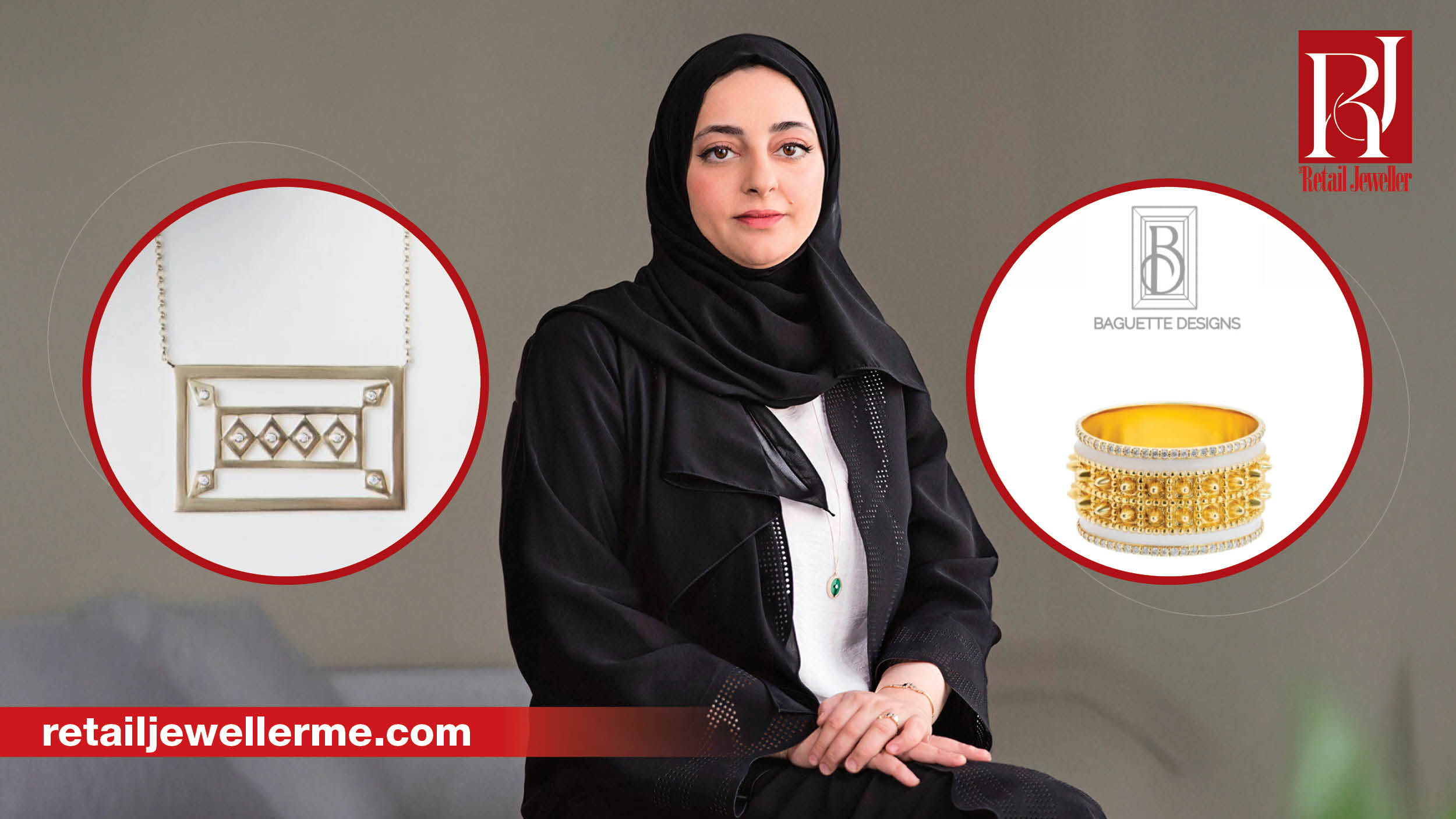
The brand’s emphasis on emotional connection aligns with younger buyers seeking individuality and deeper engagement with luxury purchases
Dubai: As the Middle East’s fine jewellery sector evolves beyond traditional motifs, a new wave of designer-led brands is bringing story-telling and personal expression to the forefront. Among them is Fatma Al Bannai, founder of Dubai-based label Baguette Design, who is positioning narrative as a core differentiator in a competitive regional market.
Al Bannai’s approach reflects a broader shift across the UAE and wider Gulf, where emerging designers are blending heritage with contemporary aesthetics to appeal to both regional and global consumers. With no formal background in jewellery design or business, she has built the brand as a self-driven venture, combining her foundation in writing with an evolving design language rooted in identity and emotion.

“Story-telling has always been the way I express myself,” Al Bannai said in an interaction with AEWorld, explaining how each collection is accompanied by a narrative that adds meaning beyond the physical piece. This emphasis on emotional connection aligns with changing consumer preferences, particularly among younger buyers seeking individuality and deeper engagement with luxury purchases.
The brand draws its name from the baguette-cut diamond, chosen for its understated strength and distinctiveness. Al Bannai positions this as a metaphor for modern femininity—quietly confident yet unconventional—while her collections are designed to resonate with women looking for pieces that balance boldness with wearability.
Material selection also plays a strategic role. While diamonds remain central for scalability and accessibility, the designer is increasingly incorporating coloured gemstones, particularly tourmalines, to introduce greater individuality. Amethyst, however, serves as the brand’s signature stone, carrying personal significance as her mother’s birthstone and reinforcing the emotional narrative embedded in each design.
From a market perspective, Al Bannai’s focus on everyday wear reflects a growing shift in regional consumption patterns. Jewellery in the Middle East has traditionally been associated with weddings and major occasions, but designers like her are responding to rising demand for versatile, day-to-day luxury that integrates seamlessly into modern lifestyles.
“I don’t see jewellery as something reserved only for special occasions,” she noted, highlighting the importance of creating pieces that function as daily expressions of identity rather than event-driven purchases.
Operating as a largely independent, one-woman business, Al Bannai points to the challenges of navigating production, design and strategy simultaneously. However, she credits a strong family support system and a culture of ambition for sustaining the brand’s growth trajectory.
Looking ahead, Al Bannai aims to scale the brand internationally while continuing to root its identity in Emirati culture. Future collections will expand on both contemporary and heritage-inspired themes, reinforcing a dual strategy of global relevance and cultural authenticity.
“I truly believe Emirati jewellery designers can make a meaningful impact on the global luxury landscape,” she said.
As Middle Eastern consumers increasingly seek meaning alongside material value, narrative-led brands like Baguette Design are carving a distinct space where jewellery is not just worn, but experienced.
Baguette Design was founded by Emirati designer Fatma Al Bannai in Dubai in the late 2010s.
Retail Jeweller ME News


Kerala playback singer Hanan Shaah appointed brand ambassador for Zivora Gold and Diamonds

Samra Jewellery launches inaugural Emirati talent show across Dubai stores

Classic Jewels & Diamonds’ mega lucky draw sustains customer interest in vacation time

Janatha Jewellery’s campaign marking one year of Dubai store has diamond ring prize

Dubai Business Group says the pearl best represents the Emirati woman’s identity

Damas appoints Ananthanarayanan Hariharan as CEO as Titan moves towards majority control

Karat World Gold & Diamonds expands Dubai presence with new Al Muraqqabat branch

Amaar Jewels acquires Australia-born jeweller Secrets Shhh, rebrands it to ‘Secrets by Amaar’

Kalyan Jewellers grows Middle East footprint, launches second showroom in Fahaheel, Kuwait

Dubai Jewellery Group, Jewellers Association Jaipur sign MoU to boost strategic partnership

The Retail Jeweller World Dubai Forum 2021 shines a spotlight on the industry’s brightest achievements

Agile Leadership: What Kept the Boat Floating

A decade of home: Staying ahead in the game

ROI & GMROI : True Measure of Financial Dynamics in Retail
